Art in the Open Air: How Debrecen’s Landscapes Paint a Living Masterpiece
You know that feeling when nature and art collide in the most unexpected way? That’s Debrecen for you. Far from just Hungary’s quiet second city, it’s a place where sunlit meadows, grand parks, and century-old architecture blend into living canvases. I didn’t expect to find such artistic soul in open fields and tree-lined avenues—but here, every view feels intentional, like a brushstroke in a much larger painting. This is where landscape doesn’t just exist—it speaks, inspires, and becomes art. In a world where we often seek creativity within gallery walls, Debrecen quietly reminds us that beauty is also composed in open air, shaped by seasons, light, and thoughtful design. To walk its paths is to step into a masterpiece that breathes, changes, and welcomes all.
Beyond Budapest: Discovering Debrecen’s Artistic Identity
When travelers think of Hungary, Budapest often dominates the imagination—its spires, bridges, and thermal baths symbolizing the nation’s grandeur. Yet just 220 kilometers east, Debrecen offers a different kind of beauty, one that unfolds not in imperial scale but in harmonious subtlety. As Hungary’s second-largest city, Debrecen is frequently overlooked as merely an academic or regional hub. But beneath its unassuming surface lies a deeply cultivated aesthetic sensibility, where urban life and natural grace are woven together with quiet intention. Unlike the ornate baroque of the capital, Debrecen’s artistry is environmental—a city shaped by light, space, and the deliberate integration of greenery into everyday life.
What sets Debrecen apart is its ability to transform the ordinary into the poetic. Streets lined with linden and chestnut trees create dappled tunnels of light, while open plazas framed by neoclassical buildings invite lingering glances. The city’s flat topography, characteristic of the Great Hungarian Plain, allows for long, unobstructed views—horizons that stretch like painted backdrops. This openness is not accidental; it reflects a historical commitment to urban planning that values visibility, tranquility, and balance. From the 19th-century development of public parks to the preservation of architectural symmetry, Debrecen has evolved as a city that treats its environment as a canvas.
Art here is not confined to museums or galleries, though the Déri Museum and MODEM contemporary art center offer rich cultural experiences. Instead, artistic expression permeates the city’s layout and atmosphere. The rhythm of daily life—students walking to class, families picnicking in meadows, elders resting on shaded benches—becomes part of the composition. In Debrecen, one does not merely visit art; one moves through it, breathes it, and becomes part of its living narrative. This is a city where aesthetic awareness is built into the streets, where beauty is not a destination but a constant companion.
The Great Forest Park: Nature Curated Like a Gallery
At the heart of Debrecen’s artistic landscape lies the Nagyerdő, or Great Forest Park—a sprawling 130-hectare expanse that functions as both a natural sanctuary and a masterfully arranged outdoor gallery. More than just a city park, the Nagyerdő is a testament to the idea that nature, when thoughtfully preserved and gently guided, can become a form of curated art. Established in the late 19th century, this green haven was designed not only for recreation but for aesthetic contemplation. Its winding paths, open glades, and carefully spaced groves are arranged with an eye for balance and visual rhythm, much like the layout of a museum exhibit.
Walking through the Nagyerdő feels like moving through a series of living paintings. In spring, cherry blossoms form soft pink arches above the trails; in summer, the canopy filters sunlight into golden mosaics on the forest floor. Autumn brings a rich tapestry of amber, rust, and gold, while winter dusts the branches with frost, transforming the park into a monochrome etching. Each season offers a new composition, a fresh interpretation of the same enduring space. The park’s design enhances this transformation—wide avenues allow for sweeping views, while secluded benches invite quiet observation, ensuring that every visitor can find their own frame within the larger picture.
Among its most striking features is the open-air amphitheater, a cultural landmark that blends architecture with nature. Built into a gentle slope, the stone-tiered seating faces a natural stage framed by trees, where performances during the summer festival season turn the forest into a living theater. Here, art and environment merge: music, drama, and dance unfold beneath a canopy of leaves, with the audience surrounded by the very landscape that inspires the performance. The amphitheater is not an intrusion on nature but a celebration of it, a space where human creativity resonates with the rhythms of the forest.
The Nagyerdő also houses the Debrecen Zoo and Amusement Park, yet even these modern additions are integrated with sensitivity to the park’s aesthetic character. Pathways curve around ancient oaks, and animal enclosures are designed to blend into the surroundings. This balance between use and preservation reflects a deeper philosophy: that public spaces should serve people without sacrificing beauty. For the art-loving traveler, the Great Forest Park offers more than leisure—it offers a lesson in how nature, when respected and thoughtfully arranged, becomes a masterpiece in motion.
Architecture as Landscape Art: Churches, Colleges, and City Light
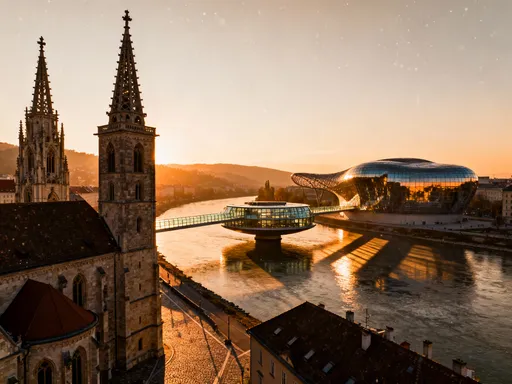
In Debrecen, architecture does not stand apart from the landscape—it becomes part of it. The city’s skyline, low and open due to its plain setting, allows individual buildings to emerge as sculptural elements in a broader composition. Among the most iconic is the Reformed Great Church, a neoclassical monument that rises with quiet dignity from the central square. Its massive columns and symmetrical façade are not just architectural choices; they are visual anchors that frame the horizon. When sunlight strikes its pale stone in the early morning or late afternoon, the church glows like a figure in a painted landscape, its shadow stretching across the square like a deliberate stroke on canvas.
The University of Debrecen, one of Hungary’s oldest and most respected academic institutions, contributes further to this architectural harmony. Its main buildings, with their arched walkways, red-tiled roofs, and orderly courtyards, reflect a tradition of design that values proportion and clarity. Unlike fortress-like campuses, Debrecen’s university blends into the city, its green quadrangles and tree-lined avenues extending the urban park system. Students move between lectures beneath colonnades that echo classical ideals, their footsteps part of a daily rhythm that has shaped the city for generations. The university is not just a center of learning; it is a living piece of urban art, where education and environment enrich each other.
What makes Debrecen’s architecture particularly artistic is its relationship with light. The flat terrain allows sunlight to travel unimpeded, casting long, dramatic shadows and highlighting textures in stone and brick. In the early hours, the city wears a soft, golden hue; by midday, contrasts grow sharper, revealing the intricate details of cornices and window frames. At dusk, streetlamps ignite in sequence, their warm glow reflecting off pavements still holding the day’s heat, turning ordinary streets into scenes of quiet elegance. This interplay of light and form transforms even modest buildings into subjects of visual interest.
Moreover, the city’s restraint in height and density ensures that no single structure dominates. Instead, buildings converse with one another across open spaces, creating a dialogue of form and function. This architectural humility—choosing harmony over spectacle—reflects a cultural value that prizes balance and continuity. For the observant traveler, Debrecen’s skyline is not just a collection of buildings; it is a carefully composed skyline, where every structure plays a role in the city’s enduring aesthetic.
Seasons as Brushstrokes: How Light and Weather Shape the View
If Debrecen is a living painting, then its seasons are the artist’s brushstrokes—each applying a new layer of color, texture, and mood. The city’s temperate continental climate brings four distinct seasons, each transforming the landscape into a different kind of masterpiece. Spring arrives gently, with crocuses pushing through thawing soil and willow trees softening into green haze. By summer, the parks are lush and vibrant, the air thick with the scent of linden blossoms, and sunlight bathing the city in a golden glow that lingers into the evening. These are the months when Debrecen feels most alive, its open spaces filled with laughter, music, and the rustle of leaves in the breeze.
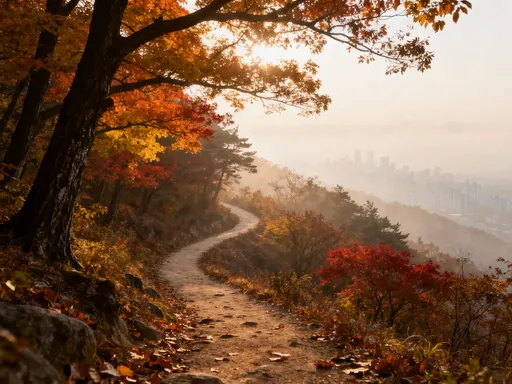
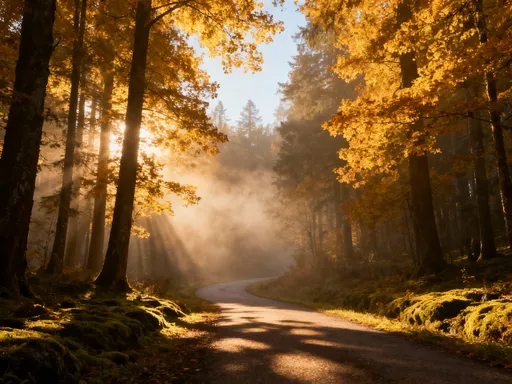
But it is in autumn that the city reaches its most painterly state. The Great Forest Park becomes a gallery of warm tones—maple leaves flame crimson, beeches turn to bronze, and the pathways are carpeted in fallen foliage. Morning fog often drifts through the trees, softening edges and creating a dreamlike atmosphere, as if the entire park were submerged in a watercolor wash. Photographers and painters alike are drawn to this season, when even the simplest scene—a bench beneath a ginkgo tree, a bicycle leaning against a brick wall—takes on the quality of a Renaissance study in light and shadow.
Winter, though quieter, adds its own austere beauty. Snow falls lightly but consistently, dusting rooftops and tree branches with a delicate frosting. The Reformed Great Church, when viewed through a veil of snow, appears almost ethereal, its columns softened by accumulation. Footprints in the snow mark the passage of time and movement, like temporary sketches on a white page. Even in cold months, the city remains visually engaging—frost patterns on windows, steam rising from café vents, and the warm glow of interiors seen through paned glass all contribute to a sense of intimate charm.
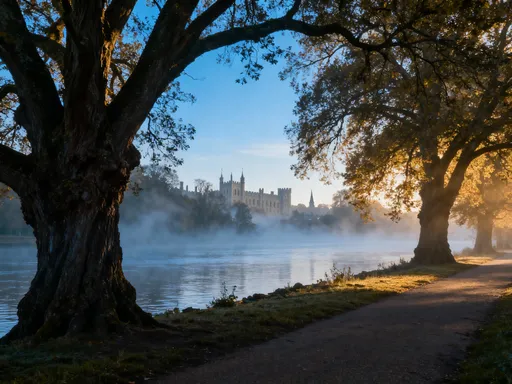
For the art-sensitive traveler, timing a visit to Debrecen means aligning with these natural cycles. Early morning and late afternoon offer the most dramatic lighting, when the sun skims the horizon and casts long shadows that enhance depth and dimension. Overcast days, often avoided by tourists, can be ideal for capturing the city’s softer moods—mist rising from the Hortobágy River, rain-slicked cobblestones reflecting streetlamps, or the diffused glow of winter light. In Debrecen, weather is not an obstacle to beauty; it is one of its primary tools.
Hidden Gardens and Quiet Corners: Off-the-Beaten-Path Visual Gems
Beyond the grand parks and central landmarks, Debrecen holds quieter, more intimate spaces—hidden gardens and tucked-away courtyards that offer personal encounters with landscape-as-art. These are not the city’s showpieces, but they are often its most poetic moments. One such place is the Kiskert, or Small Forest Park, a modest green space near the university that feels like a secret shared among locals. Less crowded than the Nagyerdő, it offers winding footpaths, clusters of flowering shrubs, and wooden benches placed beneath old linden trees. Here, the pace slows, and the city’s noise fades, allowing visitors to simply observe—the play of light through leaves, the flutter of birds, the quiet rustle of pages as someone reads in solitude.
Near the medical campus, another quiet gem unfolds: a botanical garden maintained by the university’s Faculty of Science and Technology. Though not large by international standards, it is meticulously arranged, with labeled plant species, thematic sections, and seasonal displays. In spring, tulips bloom in precise rows; in summer, roses climb trellises with cultivated grace. This is a garden of knowledge and beauty, where science and aesthetics coexist. Visitors walk slowly, reading plaques, admiring textures, and perhaps sketching a particularly striking leaf or bloom. It is a place that invites mindfulness, where every plant feels like a deliberate choice in a larger design.
Other quiet corners include the courtyards of historic churches and former schools, many of which are open to the public during daylight hours. These enclosed spaces, often paved in stone and centered around fountains or sculptures, offer a sense of sanctuary. Ivy climbs weathered walls, pigeons coo from rooftops, and sunlight filters through high windows, casting geometric patterns on the ground. These spaces are not designed for spectacle, but for reflection—perfect for a traveler seeking stillness amid a day of exploration.
What makes these hidden gardens special is their intimacy. Unlike vast parks, they encourage close observation, inviting visitors to notice details: the texture of bark, the symmetry of a spiderweb, the way dew clings to a petal. In these moments, the boundary between observer and artwork dissolves. One is no longer looking at beauty but participating in it. For the family traveler, these spots offer peaceful respites where children can explore gently, and adults can breathe deeply, reconnecting with the quiet joy of simply being in a well-tended, beautiful place.
Art Meets Nature: Outdoor Installations and Cultural Spaces
Debrecen’s integration of art and nature extends beyond organic landscapes to include intentional creative expressions in public spaces. Throughout the city, especially in parks and along cultural routes, visitors encounter sculptures, monuments, and temporary installations that enhance the environment without overpowering it. These works are not isolated objects but part of a dialogue with their surroundings. A bronze statue of a student reading, placed beneath a tree in the university quarter, feels like a natural extension of campus life. A stone relief depicting agricultural heritage, set into a garden wall, echoes the region’s connection to the land.
During the summer months, this fusion intensifies with cultural events that transform green spaces into dynamic stages. The Debrecen International Art Festival, held annually in August, brings artists from across Europe to create site-specific works in parks, courtyards, and along riverbanks. Painters set up easels in the Nagyerdő, sculptors work with local materials, and performers stage site-responsive theater pieces. These events do not disrupt the landscape; they animate it, adding layers of human creativity to the natural canvas. The festival emphasizes sustainability and respect for the environment, ensuring that installations are temporary and non-invasive.
Another highlight is the Open-Air Theater season at the amphitheater in the Great Forest Park. Productions of classical plays, operas, and folk performances are staged under the stars, with the forest serving as both backdrop and acoustical partner. Audiences arrive early to picnic on the grass, their blankets forming a mosaic of color against the green. The experience is not just about the performance but about being in a space where art, nature, and community converge. Children fall asleep to the sound of music drifting through trees; couples share quiet moments under the night sky. These events embody Debrecen’s philosophy: that art should be accessible, shared, and rooted in place.
Even smaller, recurring exhibitions—such as photography displays on wooden frames along park trails or poetry readings in garden pavilions—contribute to the city’s artistic atmosphere. These moments remind visitors that creativity thrives not only in formal institutions but in the everyday. In Debrecen, art is not something to be consumed passively; it is something to be encountered, engaged with, and carried forward in memory.
Planning Your Aesthetic Escape: Practical Tips for the Art-Loving Traveler
For those seeking a journey that nourishes the senses and the spirit, Debrecen offers a rare combination of accessibility and authenticity. To fully experience its living artistry, a few practical considerations can enhance the visit. The best times to travel are late spring (May–June) and early autumn (September–October), when temperatures are mild, crowds are smaller, and the city’s colors are at their most vivid. Summer brings festivals and long daylight hours, ideal for evening performances, while winter offers a quieter, more introspective atmosphere for those who appreciate stillness and subtle beauty.
Walking is the best way to engage with Debrecen’s aesthetic. A suggested route begins at the Reformed Great Church, where morning light illuminates the square. From there, a stroll down Széchenyi Street—lined with cafes and historic buildings—leads toward the Nagyerdő. Inside the park, follow the main avenue to the amphitheater, then loop through the quieter northern trails for a more intimate experience. Afternoon can be spent at the university botanical garden or the Déri Museum, which houses period rooms and folk art that reflect regional aesthetics. End the day with a sunset view from the open fields near the zoo, where the sky paints its own masterpiece.
Photographers should bring wide-angle and macro lenses to capture both sweeping landscapes and delicate details. Early morning light is ideal for architecture, while golden hour enhances park scenes. Respect for the environment is essential—stay on paths, avoid disturbing wildlife, and leave no trace. Engage gently with local culture: try traditional pastries at a neighborhood bakery, attend a free concert in the park, or simply sit and observe daily life. These small acts deepen connection and understanding.
Accommodations range from historic guesthouses to modern hotels, many located within walking distance of key sites. Public transportation is reliable, but the city’s compact size makes walking or cycling the most rewarding options. For families, Debrecen is especially welcoming—parks have playgrounds, museums offer interactive exhibits, and restaurants cater to varied tastes. The pace is unhurried, the atmosphere safe and friendly, making it ideal for travelers who value both beauty and comfort.
The essence of a successful visit lies in slowing down. This is not a city for checklist tourism, but for mindful presence. Allow time to sit on a bench, watch leaves tremble in the wind, or listen to the distant sound of a church bell. In Debrecen, art is not something to be rushed toward—it is something already here, waiting to be noticed.
Reinforce the idea that Debrecen’s true masterpiece isn’t housed in a museum—it’s lived in the open, where every horizon is composed with quiet intention. Invite travelers to shift their gaze from monuments to meadows, from galleries to gardens, and discover how landscape itself can be the most moving form of art.